

Chris Chase
Licensed Florida insurance broker · FL License #G193830 · NPN 21407586
Last reviewed October 2026
The short version
- Your roof’s age, material, and condition affect whether a company will insure the home, what coverage it offers, and the price.
- Florida law says a company can’t refuse a roof under 15 years old only because of its age. For older roofs, an inspection showing five years of life left gives you the same protection.
- Some policies pay less for a roof as it ages. Check which kind you have before you need it.
“Why does the insurance company care about my roof?” I hear it every week. In Florida, the roof is one of the first things an insurer asks about.
The answer comes in three parts: what companies look at, what the law says they can and can’t do, and how the roof is insured once you have a policy.
In this article
Why it matters
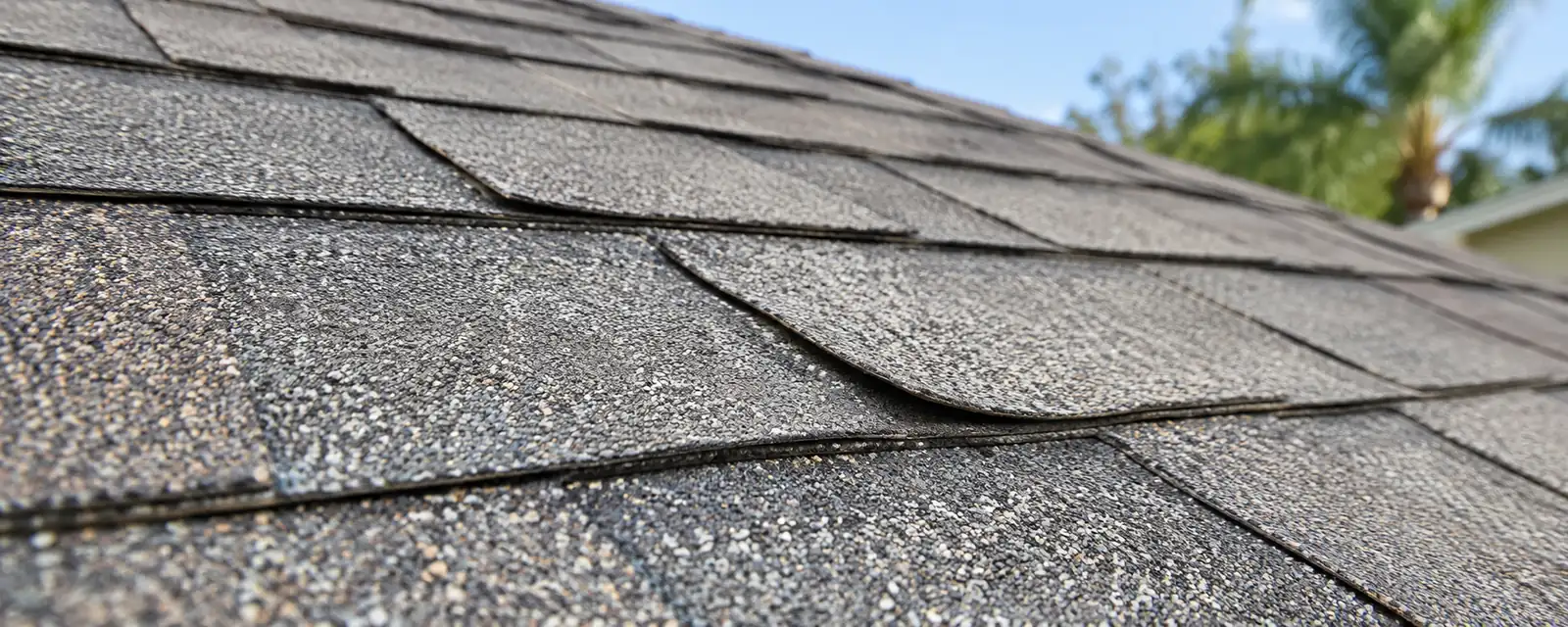
The roof stands between a storm and everything inside your home. Its age, type, and condition affect whether a company will offer coverage, what kind of coverage, and at what price. The Florida Department of Financial Services lists the roof’s life expectancy as one of the things a four-point inspection is meant to establish.
What I’ll ask you
- How old the roof is
- What it’s made of: shingle, tile, metal, or a flat roof
- Its shape. A hip roof, where every side slopes down, often earns a wind credit.
- Whether it’s been replaced, and when
- Its current condition
- What paperwork you have: a closed permit or a contractor’s paid invoice
Florida’s 15-year roof rule
Florida Statute 627.7011 gives homeowners two protections:
- Under 15 years old. An insurance company can’t refuse to issue or renew a homeowners policy only because of the roof’s age.
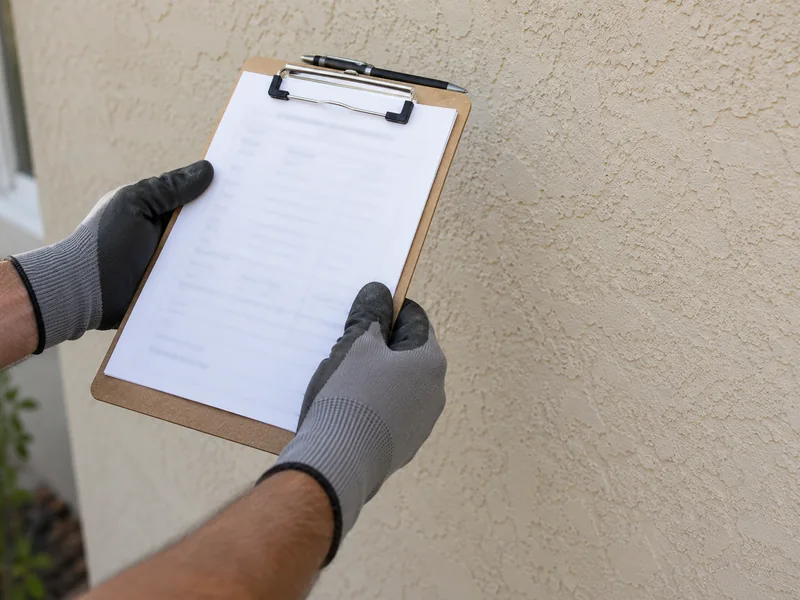
- 15 years or older. You’re allowed to have the roof inspected by an authorized inspector, at your own expense. If the inspection shows the roof has five years or more of useful life left, the company can’t refuse the policy only because of the roof’s age.
Two things to keep in mind. The rule is about age alone, so a roof in poor condition can still be a problem at any age. And it applies to homeowners policies, so a rental property policy may be handled differently.
How age limits work in practice
Within the law, each company still has its own guidelines for when it wants that inspection or stops offering certain coverage. The general pattern:
- Shingle roofs get the closest look somewhere around 15 to 20 years.
- Tile and metal roofs are given longer, often into the 25 to 30 year range.
- Flat roofs are treated as the shortest-lived.
More on the differences in How Your Roof Type Affects Insurance.
How an older roof gets paid at claim time
This is the part people miss. Getting a policy is one question. What the policy pays for the roof is another.
- Full replacement cost. The policy pays to replace the damaged roof, minus your deductible.
- A roof payment schedule. The policy pays a percentage of the replacement cost that shrinks as the roof ages. On an older shingle roof, that can be roughly half.
- A separate roof deductible. Some policies apply a deductible to roof claims that’s a percentage of your dwelling coverage.
The second and third options lower your premium and lower what you’d receive after a roof claim. Either can be the right trade, as long as you know you made it. Look for the words “roof surfacing payment schedule” or “roof deductible” on your policy, or ask me.
Things that limit your options
- A second layer of shingles installed over the first. Many companies won’t accept a roof-over.
- A flat roof over living space. Some companies decline it, and others allow it only for a small part of the roof.
- No paperwork for a replacement. Without a permit or a paid invoice, the roof may be rated at its old age.
- Unrepaired damage. Insurance companies inspect, and existing damage is a reason to decline at any age.
What helps
- Documentation. Proof of a replacement or repairs.
- A roof inspection showing remaining useful life, especially at 15 years and older.
- A four-point inspection. See Four-Point Inspections and Home Insurance.
- A wind mitigation report. It documents how the roof is attached and can earn credits. See Wind Mitigation and Homeowners Insurance.
What age does to the price
Roof age and home age tend to travel together, and both show up in the price. These are averages from homeowners insurance quotes in the area over the past 36 months, shown as the yearly price for every $1,000 of dwelling coverage:
| Year the home was built | Average price per $1,000 of coverage | On a $300,000 home, about |
|---|---|---|
| Before 1980 | $19.50 | $5,850 a year |
| 1980 to 2001 | $15.80 | $4,740 a year |
| 2002 to 2014 | $10.40 | $3,120 a year |
| 2015 or newer | $6.30 | $1,890 a year |
These are averages of past quotes, not an offer, and they reflect the whole home, not the roof alone. They do show why a new roof and good documentation are worth the effort.
Thinking about replacing it?
- Tell me before or right after. A new roof can open up companies that weren’t available before.
- Make sure the contractor pulls a permit and closes it.
- Keep the paid invoice.
- Ask the roofer about the features a wind mitigation inspection looks for, and get a new inspection when the job is done.
- Check whether the My Safe Florida Home program can help. It offers free wind mitigation inspections to eligible homeowners and grants toward approved improvements.
Common questions
Can an insurance company drop me because my roof is old?
Not for age alone if the roof is under 15 years old. At 15 or older, an inspection showing at least five years of useful life left gives you the same protection under Florida law. Condition is a separate matter.
Who pays for the roof inspection?
The homeowner. The statute says the inspection is at the homeowner’s expense.
Will a new roof lower my premium?
It often helps, and it can make more companies available. I can’t promise a number until I quote it.
Insurance companies don’t all follow the same rules or charge the same prices, and both change over time. Ask me what applies to you.
Official sources
- Florida Statute 627.7011: homeowners policies, roofs, and replacement cost
- Florida Department of Financial Services: homeowners insurance overview
- My Safe Florida Home program
Keep reading
- Shingle, Tile, Metal, or Flat: How Your Roof Type Affects Insurance
- Wind Mitigation and Homeowners Insurance
- Four-Point Inspections and Home Insurance
- Florida homeowners insurance
Related coverage: homeowners insurance and flood insurance.
Not sure where you stand? Ask me.
Request a quote or call me to review your options. You’ll talk to a real person.