
Chris Chase
Licensed Florida insurance broker · FL License #G193830 · NPN 21407586
Last reviewed October 2026
The short version
- Electrical is one of the four systems reviewed on a four-point inspection.
- Aluminum branch wiring from the mid-1960s to mid-1970s is a known fire risk according to federal safety regulators.
- Certain older panel types, fuse boxes and cloth-covered wiring are commonly flagged by insurance companies.
- Most electrical problems can be fixed, and a licensed electrician’s paperwork is what gets the home insured.
When a Florida home is turned down for insurance, the roof gets most of the blame. Electrical is a close second, and it surprises people more because nothing looks wrong. The lights work. The breakers have never tripped. And yet the inspection comes back with a note that stops the policy.
So what are insurance companies looking at, and what can you do if your home gets flagged? Let’s go through it.
In this article
Why insurance companies care about wiring
Fire is the most expensive thing that can happen to a house, and electrical problems are a common cause of house fires. A roof leak damages a room. An electrical fire can take the whole home. So when a home is older, companies want to know what’s behind the walls and inside the panel before they agree to insure it.
They find out through a four-point inspection.
How the four-point inspection covers electrical
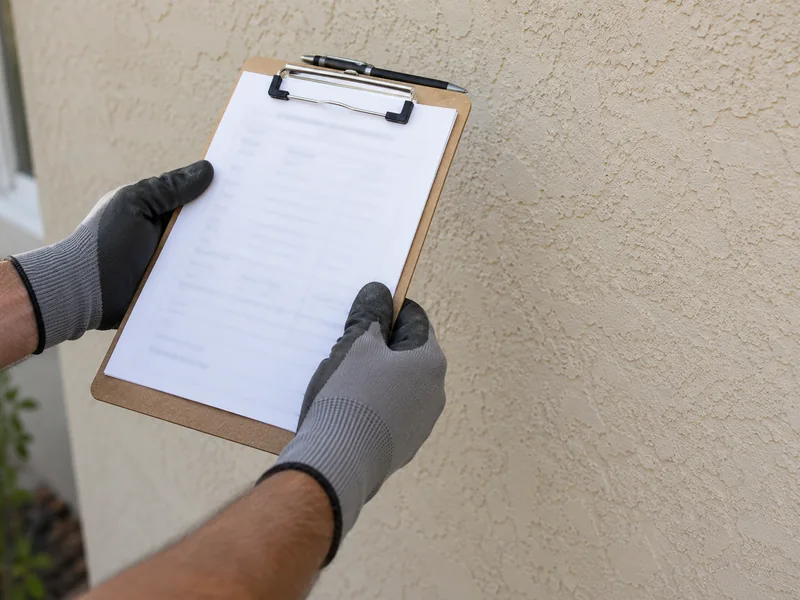
A four-point inspection looks at four systems: the roof, the plumbing, the heating and air conditioning, and the electrical. It’s usually asked for on older homes, and the age that triggers it depends on the company.
On the electrical section, the inspector records things like:
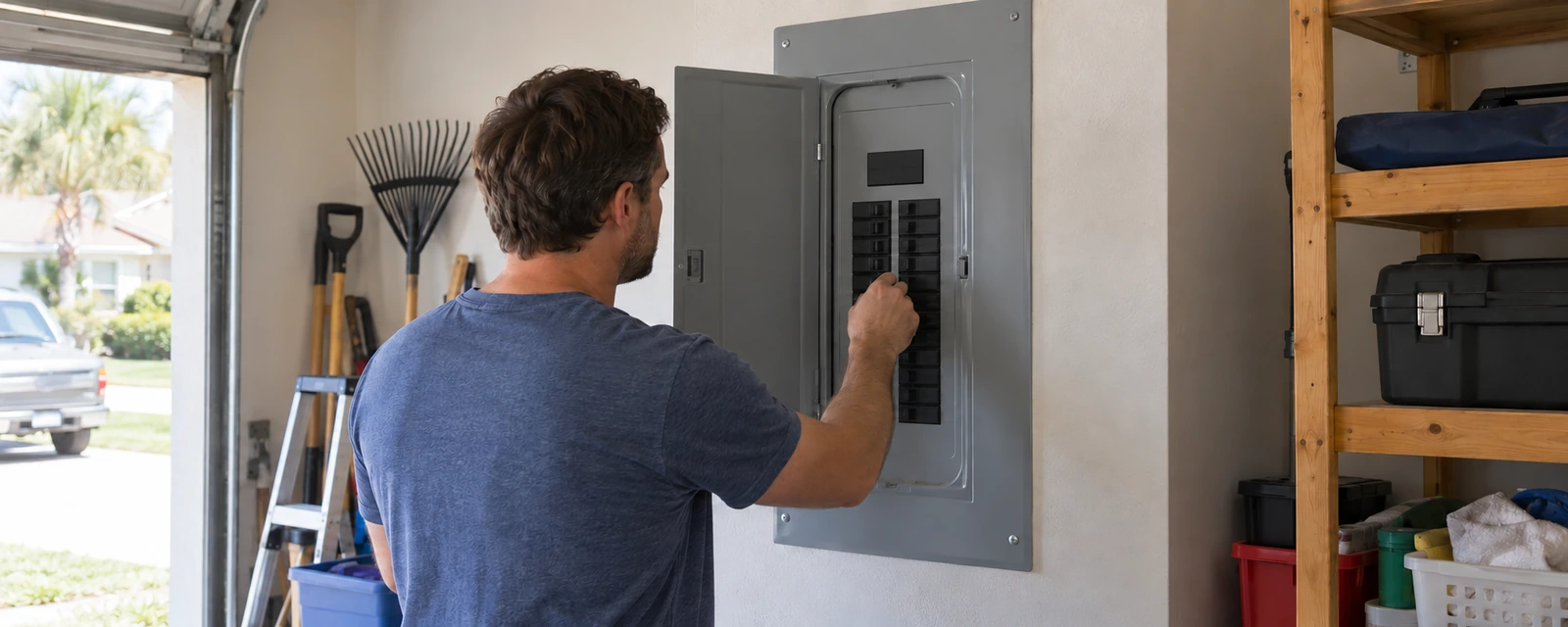
- The type and brand of the main panel and any sub-panels.
- The total amps of service to the home.
- The type of wiring: copper, aluminum, cloth-covered or other.
- Whether the panel uses breakers or fuses.
- Visible hazards such as double-tapped breakers, scorching, exposed wiring, loose wiring or missing covers.
- Whether the system appears to be in satisfactory condition.
The inspector also takes photos of the panel with the cover off. The insurance company reads the form and looks at those photos. If something on the form is on the company’s list of things it won’t accept, the application stops there until it’s fixed.
Aluminum wiring
This is the electrical issue with the clearest public record behind it, so it’s worth explaining carefully.
What it is
From about 1965 through the mid-1970s, many homes were built with aluminum wire for the regular branch circuits, the ones that feed outlets, switches and lights. This is different from the large aluminum cables that bring power into a house or feed big appliances, which are still used today.
Why it’s a problem
The U.S. Consumer Product Safety Commission has studied this. According to the CPSC, homes wired with aluminum wire made before 1972 are 55 times more likely to have one or more connections reach “fire hazard conditions” than homes wired with copper. The trouble is at the connections, where the wire meets outlets, switches and splices. Those connections can loosen and overheat over time.
The CPSC lists warning signs, including:
- Cover plates on outlets or switches that are warm to the touch.
- Flickering lights.
- Circuits that stop working.
- The smell of burning plastic at an outlet or switch.
The CPSC also says problems can exist with no warning signs at all.
What the CPSC considers a permanent repair
The CPSC recognizes these as permanent fixes:
- Complete replacement of the aluminum branch wiring with copper.
- The COPALUM crimp method, where a short piece of copper wire is attached to each aluminum wire end with a special tool by trained electricians.
- The AlumiConn connector, a specific set-screw connector, as an acceptable alternative when COPALUM isn’t available.
The CPSC specifically says that ordinary twist-on connectors and other quick fixes aren’t considered permanent repairs.
What this means for insurance
Insurance companies differ. Some won’t insure a home with aluminum branch wiring at all. Others will insure it once a licensed electrician documents that every connection has been repaired with an accepted method. If you’re buying a home from this era, find out which wiring it has before the inspection period ends.
Older panels
Certain panel types and brands made decades ago are widely flagged by insurance companies. I’m not going to list brand names here, because the lists differ from company to company and change over time. What matters is this:
- Your four-point inspection will name the panel brand and type.
- If it’s one a company won’t accept, the usual fix is replacing the panel.
- A panel replacement is done by a licensed electrician under a permit.
If you’re shopping for a home, open the panel door and take a photo of the label. Send it to me and I can tell you whether it’s likely to be an issue before you spend money on inspections.
Fuse boxes and low amperage
Homes that still use screw-in fuses instead of breakers are hard to insure. So are homes with very low service, because modern households draw far more power than a house was built for decades ago. If your home has less service than a company requires, upgrading the service is typically part of getting it insured.
Cloth-covered and other old wiring
Very old wiring with cloth or fabric insulation can become brittle with age and heat. Companies generally want it replaced. As with aluminum, what they’ll accept and what paperwork they want varies, so ask before you assume.
Common questions
My lights work fine. Why would my electrical fail an inspection?
The inspection is about fire risk, not whether things turn on. Certain panels, wiring types and conditions are flagged even when everything seems to work.
Do I have to rewire the whole house if I have aluminum wiring?
Not necessarily. The CPSC recognizes full replacement with copper, the COPALUM crimp method and AlumiConn connectors. Ask which one the insurance company will accept before the work is done.
How do I know what kind of wiring I have?
A four-point inspection or a licensed electrician can tell you. Homes built from about 1965 to the mid-1970s are the ones most likely to have aluminum branch wiring.
What each insurance company accepts varies and changes over time. Electrical work should be done by a licensed electrician.
Official sources
- U.S. Consumer Product Safety Commission: repairing aluminum wiring
- Florida Department of Financial Services: homeowners insurance overview
Keep reading
- Four-Point Inspections and Home Insurance
- Water Damage, Plumbing, and Older Homes
- Buying a Home in Florida: Your Insurance Timeline
- Florida Home Insurance and Roof Age
Related coverage: homeowners insurance and flood insurance.
Want me to look at your options?
Call me or request a quote online. A real person will get back to you, not a bot.