dust, ladders and finished walls
Drywall contractor insurance in Florida
Hanging, taping and finishing leaves a lot of room for dust, damage and injuries. I’m Chris, and I can help you sort out your options.

FL License #G193830
Call, text or email
The basics

Damage you cause to a home or building
General liability covers injury or damage you cause to others. A heavy sheet that cracks a tile floor or a water line nicked by a screw would be a question for this coverage.
Crew injuries
Lifting, stilts and ladders are everyday work. Ask about workers’ comp for employees.
Tools, lifts and materials
Ask me what property coverage can do if lifts, stilts or stocked sheets are stolen or damaged.
Paperwork to win the job
Builders often want a certificate before you start. I can help you ask for one.
What can go wrong on a drywall job
Here’s what I’d ask about.
- A sheet slips while you’re carrying it and scratches a new floor or cabinet. Ask about general liability.
- Sanding dust settles on a customer’s furniture. That’s a general liability conversation.
- A worker falls off stilts or a ladder while taping a ceiling. Ask me about workers’ compensation.
- Your drywall lift and screw guns disappear from a job site overnight. Ask about tools and equipment coverage.
- A builder says the finish you did has to be redone and blames you. General liability is the place to start.
Coverage to ask me about
Drywall is a construction trade. In Florida, construction businesses generally need workers’ comp once they have one or more employees, and other businesses generally need it at four or more employees. The Florida Division of Workers’ Compensation has the official rules.
- General liability. This is for injury or damage your work causes to other people or their property.
- Workers’ compensation. This helps with medical care and lost wages for employees hurt on the job, and the rules depend on your setup.
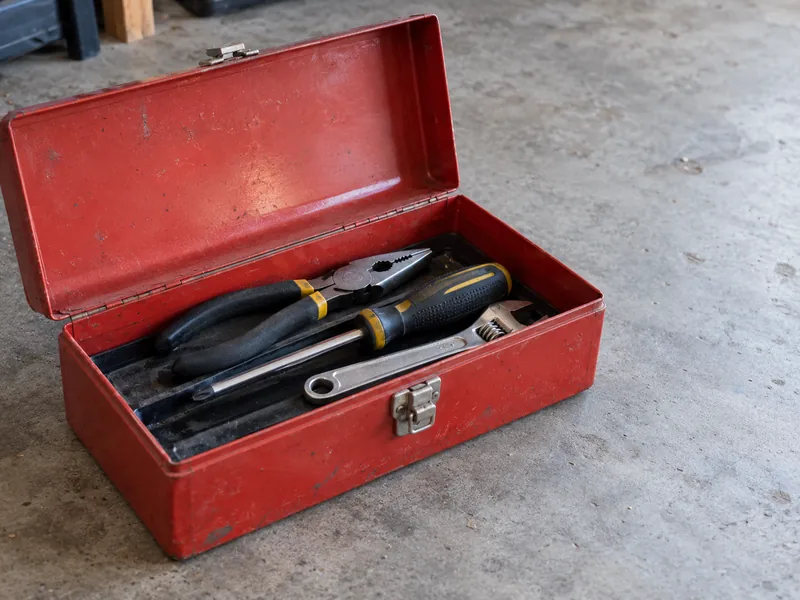
- Tools and equipment. Ask whether lifts, stilts, pumps and stored materials can be covered.
- Commercial auto. If you haul sheets and tools in a truck or trailer, ask me about it.
What I’ll ask you
I gather these up front.
- The kind of drywall work you do and any you avoid
- Your yearly revenue
- Payroll and number of employees
- Any subcontractors you use
- Prior claims
- What a builder or contract requires you to show
- The date you need coverage in place

Questions I get
Does a general contractor need a certificate from me?
Often they do. What can be issued depends on the company and the policy, so share the contract wording with me.
Do I need workers’ comp if I’m the only one hanging board?
It depends on your business setup. The state’s workers’ comp division has the official answer.
Are my lifts and stilts covered?
General liability doesn’t cover your own equipment. Property coverage for tools may, depending on the company and the policy.
What about the finishers I hire by the job?
It depends on the company and the policy. Companies often ask whether those workers carry their own coverage.

Official sources
Coverage, eligibility and price depend on the company and your business. This page is general information, not a quote.

Have a question? Just ask.
Call me or send a quote request. You’ll hear back from a real person.