heavy limbs, heavy equipment
Tree service insurance in Florida
Cutting, trimming and removing trees is hard, risky work. I’m Chris, and I can help you sort out your options.

FL License #G193830
Call, text or email
The basics

Damage from a falling limb
General liability covers injury or damage you cause to others. A limb that lands on a customer’s house or fence is a classic example to ask about.
Injuries on the crew
Climbing, saws and rigging are risky. Ask about workers’ comp for employees.
Chippers and gear
Ask me what equipment coverage may do for chippers, grinders and saws.
Proof for customers
Neighborhood associations and commercial properties often ask for a certificate first. I can help you request one.
What can go wrong on a tree job
Trees don’t always fall the way you plan.
- A big limb swings the wrong way and breaks a customer’s fence. Ask about general liability.
- A falling branch damages a roof, screen enclosure or the neighbor’s car. That’s a general liability question.
- A groundsman is hurt by a kicked back saw or a swinging rope. Ask me about workers’ compensation.
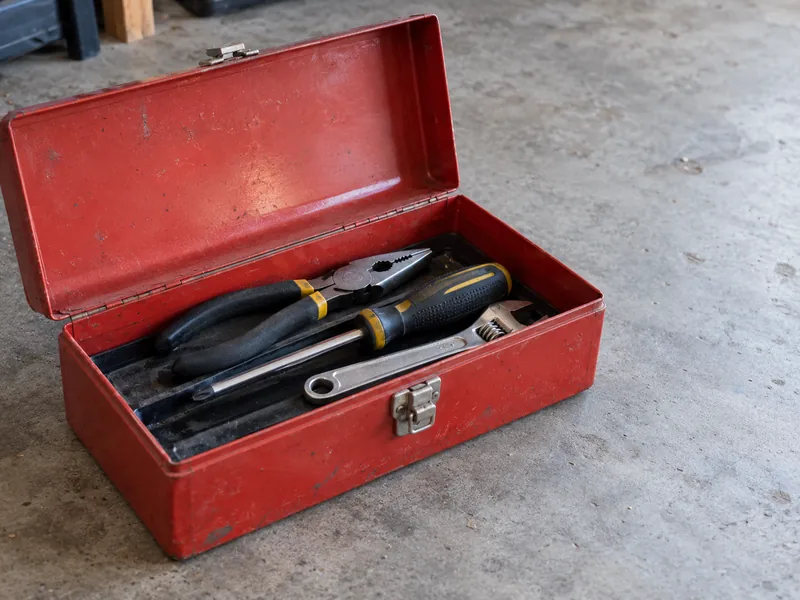
- Your chipper is damaged in a rollover or stolen from the yard. Ask about equipment coverage.
- A customer says a stump grinder tore up their sprinkler lines. General liability is the one to ask about.
Coverage to ask me about
In Florida, construction businesses generally need workers’ comp once they have one or more employees, and other businesses generally need it at four or more employees. The Florida Division of Workers’ Compensation has the official rules.
- General liability. This is for injury or damage you cause to others, such as harm to a customer’s home or yard.
- Workers’ compensation. This is for employees hurt on the job, and the rules depend on your work and headcount.
- Equipment. Ask about coverage for chippers, grinders, saws and climbing gear, and how it works for each company.
- Commercial auto. If you drive bucket trucks, chip trucks or trailers, ask me about it.
What I’ll ask you
I’ll ask these up front.
- What tree work you do, including whether you climb, use cranes or take down large trees
- Your yearly revenue
- Payroll and how many people are on your crew
- Whether you use subcontractors
- Prior claims
- What a customer, city or contract wants to see
- How soon you need coverage

Questions I get
Do I need a certificate of insurance to take a tree job?
Many customers ask for one. What I can arrange depends on the company and the policy.
Do I need workers’ comp if it’s just me?
It depends on your business setup and who works with you. The state’s workers’ comp division has the official rules, and I can help you think it through.
Is my chipper covered if it’s stolen?
Not by general liability. Equipment coverage may help, depending on the company and the policy, so ask me about it.
Are the climbers I hire by the day covered?
It depends on the company and the policy. Companies often ask whether helpers are employees or truly independent.

Official sources
Coverage, eligibility and price depend on the company and your business. This page is general information, not a quote.

Have a question? Just ask.
Call me or send a quote request. You’ll hear back from a real person.