
(813) 323-9481

Category: Home Insurance

  • Home Insurance Rules That Surprise People

    Home Insurance Rules That Surprise People

    Chris Chase, licensed Florida insurance broker

    Chris Chase
    Licensed Florida insurance broker · FL License #G193830 · NPN 21407586
    Last reviewed October 2026

    The short version

    • Florida law gives you more protection than most people realize: 120 days’ notice of nonrenewal, limits on cancelling for weather claims, and deadlines insurers have to meet on claims.
    • It also puts deadlines on you. A claim generally has to be reported within one year.
    • Lapses, ownership, and how the home is used change what you can buy.

    Most home insurance surprises come from rules nobody mentioned until they mattered. Some protect you and some trip you up.

    I’ve grouped them: timing, your rights when a company wants out, claims, and the things about your home and how you use it.

    In this article

    Timing

    • Don’t let coverage lapse. Some companies allow no gap at all on a new policy, and others add a surcharge after a few weeks. Coverage your lender bought for you may not count as prior insurance.
    • Buying a home? Start shopping before closing. Some companies want coverage to begin within a couple of weeks of the closing date.
    • Storms stop everything. When a hurricane or tropical storm watch is issued anywhere in Florida, many companies stop writing new policies until it passes.
    • Hurricane deductible changes can only be made at renewal, under Florida law.

    Your rights when a company cancels or won’t renew

    The Florida Department of Financial Services lays these out:

    • Nonrenewal notice. A company generally has to give at least 120 days’ written notice before it declines to renew a homeowners policy.
    • Cancellation after the first 60 days. A company can cancel only for specific reasons, such as misrepresentation, non-payment, failure to meet underwriting requirements, or a substantial change in the risk.
    • Non-payment. 10 days’ notice.
    • Refunds. Unused premium has to be returned within 15 working days after a cancellation takes effect.
    • During a hurricane. If a policy would end during a hurricane, the company has to extend coverage until the hurricane is over.
    • After hurricane repairs. When the home was damaged in a declared emergency, a company can’t cancel or non-renew for 90 days after the home has been repaired.

    A pen rests across a line on a policy page.

    What a company can’t hold against you

    • A single water claim. It can’t be the only reason for cancelling or non-renewing, unless you didn’t take steps the company reasonably asked for to prevent another one.
    • A weather claim. The same idea applies to claims from acts of nature. The company can raise your deductible at renewal.
    • Your credit alone. A company can’t non-renew solely because of information on a credit report, because you have no credit history, or because of adverse credit from medical bills.

    Changes at renewal

    If a company changes the terms of your policy at renewal, Florida law requires written notice, titled “Notice of Change in Policy Terms.” Read it. Paying the renewal premium counts as accepting the new terms. This is how features like a roof payment schedule or limited water coverage sometimes arrive on a policy that didn’t have them before.

    Claim deadlines

    Deadlines run both ways.

    • You generally have to report a claim within one year of the date of loss, and a supplemental claim within 18 months. For hurricane claims, the clock starts when the hurricane makes landfall.
    • The company has to acknowledge a claim communication within 7 days, begin investigating within 7 days of receiving proof of loss, and pay or deny within 60 days of notice, unless something outside its control prevents it.

    After a loss you’re expected to protect the property from further damage, make reasonable temporary repairs, keep receipts, and take photos before repairing if you can.

    Your claims history

    • A fire claim in the last five years narrows your options more than most other claims.
    • Hurricane and other weather claims usually aren’t held against you the way other claims are.
    • Several water claims in a few years can limit you to a more basic policy.

    See How Past Claims Affect Your Home Insurance.

    Around the house

    • Pools need a barrier. Florida’s pool safety law calls for one at least four feet high.
    • Trampolines, diving boards, and pool slides can mean a decline with some companies, or no liability coverage for injuries on them with others.
    • Dogs. Liability for dog bites is often not included automatically, and a bite history changes things.
    • Screen enclosures are frequently not covered for hurricane damage unless you add that coverage.

    See Pools, Trampolines, Dogs, and Your Home Insurance.

    Electrical and plumbing

    • Certain older breaker panel brands are widely declined.
    • Single-strand aluminum wiring limits your options unless it’s been properly repaired.
    • Some companies want a minimum electrical service size.
    • Around 40 years, water damage coverage is often limited.

    See Electrical Panels, Wiring, and Home Insurance and Water Damage, Plumbing, and Older Homes.

    Belongings with low built-in limits

    The Department of Financial Services notes that jewelry, guns, furs, money, cameras, art, and antiques have restricted coverage amounts on a standard policy. If you own something valuable in those categories, it needs to be added separately.

    Solar panels

    Rules vary a lot. See Solar Panels and Home Insurance in Florida.

    Who owns the home and how it’s used

    • Homes titled to an LLC or a trust are handled differently.
    • Seasonal and second homes often carry a surcharge or extra requirements.
    • Rentals need a different type of policy.
    • Home daycare. Florida law limits when a company can cancel over a home daycare, and one condition is that you carry separate liability coverage for it.

    See Seasonal Homes, Rentals, LLCs, and Trusts.

    Common questions

    How much notice do I get if I’m not renewed?

    Generally at least 120 days in writing, according to the Florida Department of Financial Services.

    Can I be cancelled for filing a hurricane claim?

    A company can’t use a weather claim as the reason unless it shows you failed to take reasonable steps it requested to prevent a repeat. It can raise your deductible at renewal.

    How long do I have to file a claim?

    Generally one year from the date of loss, and 18 months for a supplemental claim.

    Rules, prices, and discounts differ from one insurance company to the next and change over time. I’ll tell you what applies to the options I find for you.

    Official sources

    Keep reading

    Related coverage: homeowners insurance and flood insurance.

    Want a second set of eyes on your policy?

    Send me a quote request or give me a call. I’ll shop it and explain what I find.
  • Home Insurance Discounts and Credits Worth Asking About

    Home Insurance Discounts and Credits Worth Asking About

    Chris Chase, licensed Florida insurance broker

    Chris Chase
    Licensed Florida insurance broker · FL License #G193830 · NPN 21407586
    Last reviewed October 2026

    The short version

    • Florida law requires insurance companies to offer discounts for features that reduce wind damage.
    • Some credits need only proof, like photos of a hip roof or the year the home was built.
    • Options that lower your premium by reducing coverage aren’t discounts. Know the difference before you choose one.

    Florida home insurance is expensive enough that small credits add up. Some of them don’t even require an inspection.

    I check these when I quote. It still helps to know what exists, because several depend on things only you know about your home.

    In this article

    Wind credits: the big ones

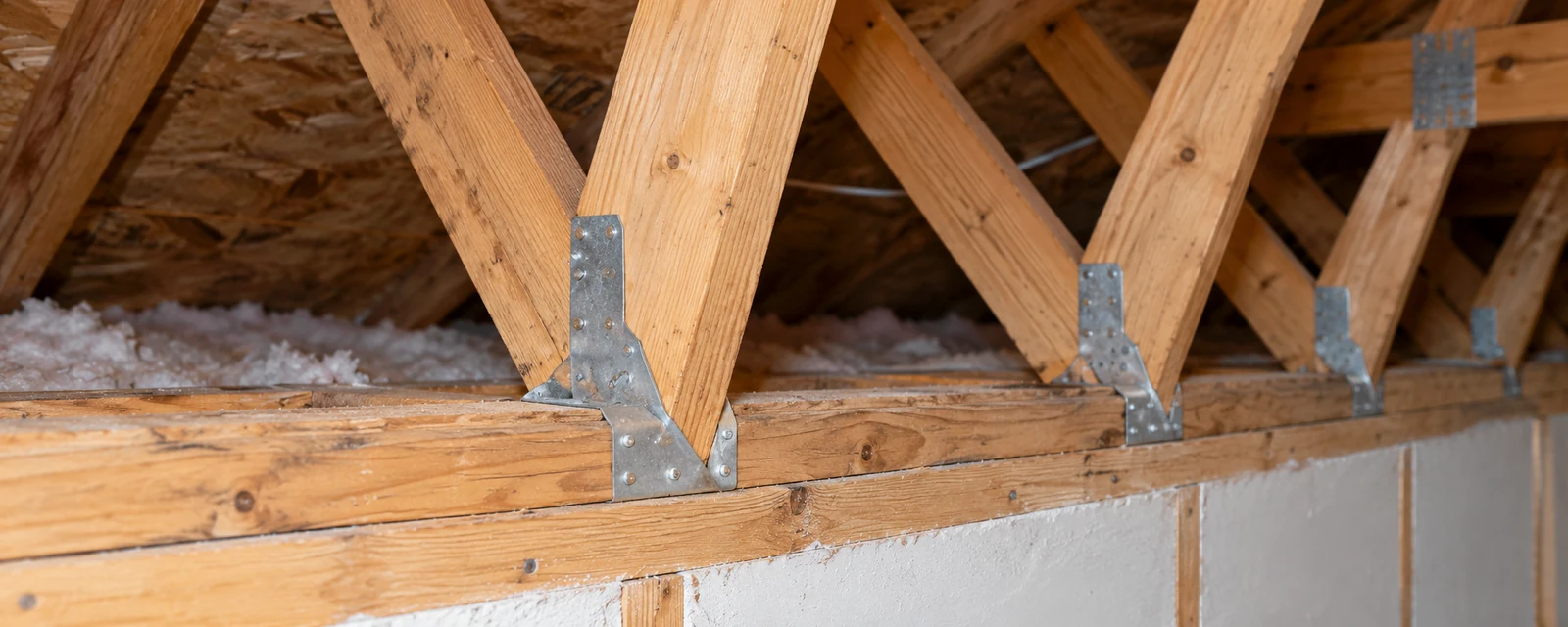
    Florida Statute 627.0629 requires insurance rates to include discounts for features that reduce windstorm losses, covering roof strength, roof covering, roof-to-wall connections, opening protection, and the strength of windows, doors, and skylights. Every company has to offer them and describe them on its website. How much each gives varies.

    • Roof shape. A hip roof, where all sides slope down, often earns a wind credit. Some companies accept clear color photos of the whole roof instead of an inspection form.
    • Year built. Homes built in 2002 or later were built under the newer statewide building code. Proof of the year built can be enough for a basic wind credit.
    • Window and door protection. Shutters or impact glass can earn a credit. Newer coastal homes sometimes qualify without a form.
    • A current wind mitigation report. This is how you get the full set. Florida’s inspection form was revised effective April 1, 2026, so an inspection done on or after that date should use the new version.

    More in Wind Mitigation and Homeowners Insurance.

    Credits for protecting against water damage

    • Leak detection systems. A small discount with some companies.
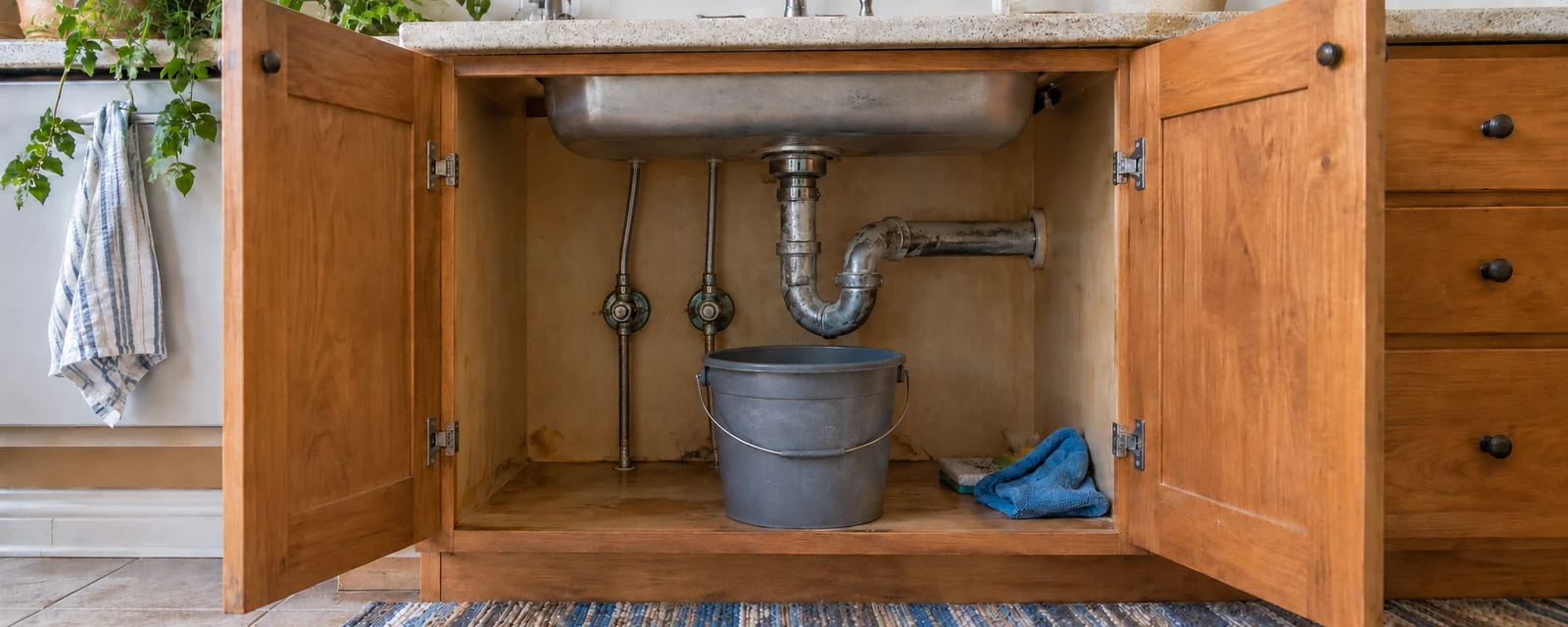
    • Automatic water shut-off valves. A somewhat larger discount, and on an older home a shut-off valve can make the difference in getting water damage coverage at all. Some companies want proof of professional installation.
    • A paid annual heating and air maintenance contract. Some companies give a credit on the water portion of the premium with proof.

    See Water Damage, Plumbing, and Older Homes.

    A hand holds a paper bill beside a calculator.

    Credits about you

    • Age 55 or older, or retired. Several companies give a senior or retiree discount, commonly starting at 55 or 60. It generally applies to a home you live in, not a rental.
    • Military or first responder.
    • Carrying a flood policy alongside your home policy.
    • Going paperless. Small, but it’s there.
    • Having other policies in the same agency.

    Credits about where you live and what you bought

    • A secured community. A community with a single entry or patrol earns one level of discount with some companies, and a manned or passkey gate earns more. It typically doesn’t apply to seasonal homes.
    • A new home from an accredited builder.
    • Fire protection. The Florida Department of Financial Services lists fire protection class, rated from 1 to 10, among the factors in your price. You can’t change it, but it explains why two similar homes in different areas cost different amounts to insure.

    Other factors the state says go into your price

    The Department of Financial Services lists what insurance companies consider:

    • The property’s location
    • The amount of dwelling coverage
    • Construction material: wood frame, concrete block, or brick
    • The home’s age
    • Wind mitigation features, such as shutters
    • Uninterrupted prior homeowners coverage

    That last one is easy to overlook. Keeping coverage continuous is worth money. See Can I Switch Insurance Companies Before My Policy Expires?

    Choices that lower the premium by lowering coverage

    Some options reduce your price by reducing what the policy pays. They’re legitimate choices, not discounts:

    • Limited water damage coverage. A cap on water claims in exchange for a credit.
    • A roof payment schedule or stated value roof. The roof is paid at less than full replacement cost.
    • A higher hurricane deductible. See Why Is My Hurricane Deductible So High?
    • Declining law and ordinance coverage. Florida law includes it at 25% of your dwelling limit unless you reject it in writing.

    They can make sense, but only if you understand what you’re giving up. I’ll show you the trade in dollars.

    A deductible that shrinks

    A few companies lower your regular deductible each year you go without a claim. It usually doesn’t apply to the hurricane deductible.

    Help paying for improvements

    The My Safe Florida Home program offers free wind mitigation inspections to eligible homeowners and grant funding of up to $10,000 toward approved improvements such as roof-to-wall connections, secondary water barriers, and window and door replacement. Eligibility and funding come from the program, so check its site for the current rules.

    Why credits alone don’t tell you the price

    Two companies can apply the same credits and still land far apart. In homeowners quotes in the area over the past 36 months, when the same home got quotes from three or more companies for the same coverage amount, the highest was typically about 1.5 times the lowest, a gap of about $2,000 a year.

    Here are the averages by coverage amount for context:

    Dwelling coverageAverage quote (per year)Typical range (per year)
    $200,000 to $300,000$4,150$2,470 to $4,990
    $300,000 to $400,000$4,810$3,040 to $5,920
    $400,000 to $500,000$5,230$3,070 to $6,220

    These are averages of past quotes, not an offer. Credits bring your number down within a company. Comparing companies is how you find the right starting point.

    Common questions

    Do I need an inspection to get wind credits?

    For the full set, yes. Some credits, like roof shape from photos or a home built in 2002 or later, can be applied without one.

    Will a new roof get me a discount?

    It can, through the wind mitigation report and through the roof’s age. Get a new inspection after the work is done.

    Are discounts the same at every company?

    No. The law requires wind mitigation discounts, but each company sets the amounts, and other discounts vary a lot.

    What’s in this article is general. Companies differ on the details and update them often, so I check the specifics when I quote you.

    Official sources

    Keep reading

    Related coverage: homeowners insurance and flood insurance.

    Ready to see what’s out there?

    Call me or request a quote online. A real person will get back to you, not a bot.

  • Water Damage, Plumbing, and Older Homes

    Water Damage, Plumbing, and Older Homes

    Chris Chase, licensed Florida insurance broker

    Chris Chase
    Licensed Florida insurance broker · FL License #G193830 · NPN 21407586
    Last reviewed October 2026

    The short version

    • Around the 40-year mark, many insurance companies limit water damage coverage or leave it out. On rentals it’s often 30 years.
    • Your pipes and your water heater’s age are two of the first things an insurer asks about.
    • Florida law says a single water claim can’t be the only reason a company cancels or non-renews you, with one exception.

    Water damage coverage is where older homes run into the most restrictions. If your home is getting up there in age, this is worth understanding before you shop.

    It’s also one of the areas where a few inexpensive steps can change what you’re offered.

    In this article

    The 40-year mark

    Once a home is around 40 years old, many insurance companies handle water damage differently. Depending on the company, you’ll see one of these:

    • Water damage excluded, with no way to add it back.
    • Water damage excluded, with a buy-back of a limited amount, often around $10,000.
    • Limited water damage offered at one or two set amounts, such as $10,000 or $25,000.

    Each is a very different policy from one with full water coverage. Know which version you have. It’s on the declarations page or in an endorsement, and I’ll point to it if you ask.

    On a rental property, the same thing commonly starts around 30 years. See Insuring a Rental Property in Florida.

    A past water claim follows you

    A water loss in the last few years can mean limited water coverage on a new policy even on a newer home. Getting full coverage back can take several claim-free years, and with some companies an inspection too. Several non-weather water claims in a short period narrow your options further.

    Hands hold a clipboard beside an exterior wall.

    What Florida law protects

    Florida Statute 627.4133 says a single claim that results from water damage can’t be used as the sole cause for cancelling or non-renewing your policy. The exception: the company can act if it can show you failed to take action it reasonably requested to prevent a similar loss from happening again.

    So if your insurance company asks you to make a repair after a water claim, make it and keep the receipt.

    Your water heater

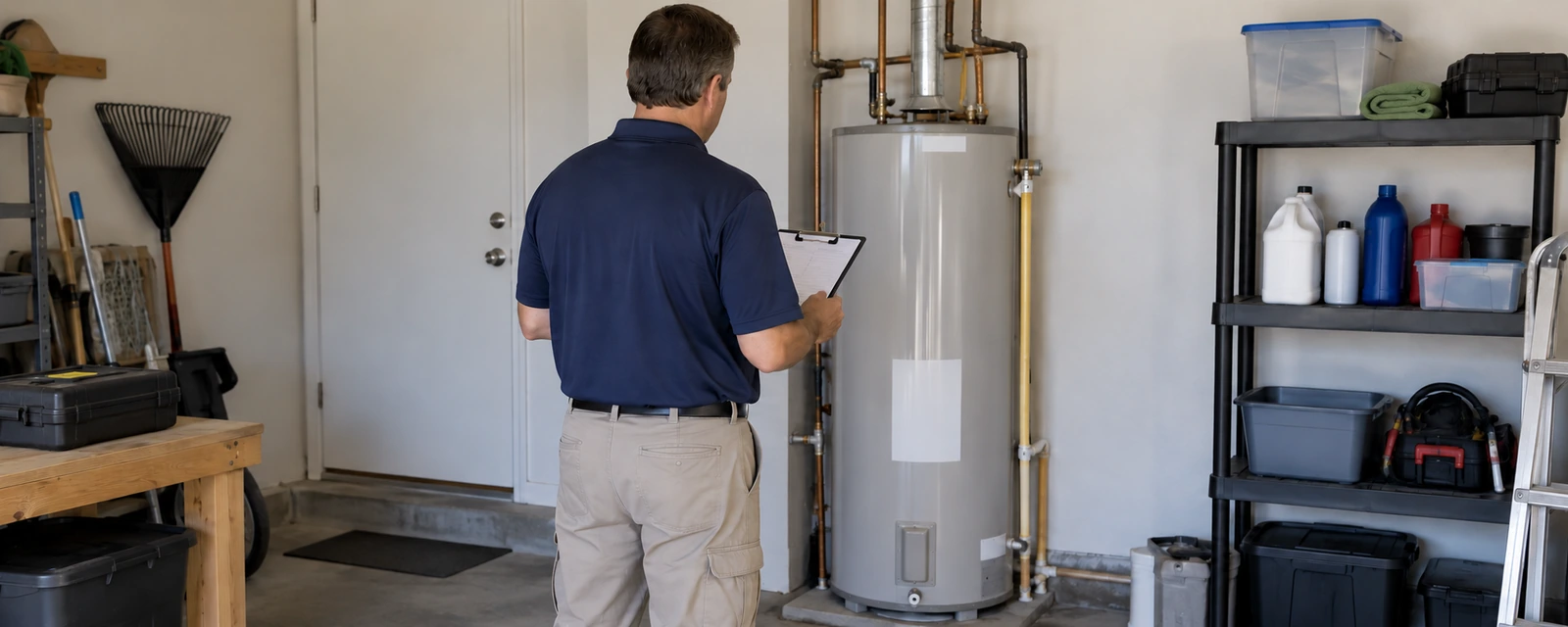
    Insurance companies ask how old it is. Many get cautious once a tank is about 15 years old, sometimes around 20 if it sits in the garage. A few are stricter when the heater is inside on a second floor. Tankless heaters are often exempt from the age limit.

    The age is usually on the manufacturer’s label. A photo of it saves a phone call.

    What your pipes are made of

    • Polybutylene pipe limits your options a lot. Some companies won’t write the home. Others will, without water damage coverage.
    • Galvanized and cast iron pipes in older homes raise the same kind of questions.
    • Older PEX is treated cautiously by a few companies, while others accept it at any age.
    • Updated plumbing with permits and receipts opens doors. Keep the paperwork.

    If you don’t know what you have, a four-point inspection will tell you. See Four-Point Inspections and Home Insurance.

    What helps

    • An automatic water shut-off valve. With some companies it earns a discount, and with at least some it keeps the water exclusion off an older home altogether.
    • A leak detection system.
    • Proof of plumbing updates.
    • A recent four-point inspection showing the plumbing’s condition.
    • A paid annual heating and air maintenance contract. Some companies give a credit on the water portion of the premium.
    • A full renovation with permits. New electrical, plumbing, heating and air, roof, and windows can let the home be rated as newer than its original year built.

    If you have a water loss

    The Florida Department of Financial Services lists what’s expected of you after a loss:

    • Notify your agent or insurance company promptly. A claim has to be reported within one year of the date of loss.
    • Protect the property from further damage. Shut off the water and make reasonable temporary repairs.
    • Keep receipts for those repairs.
    • Take photos before you repair anything, if you can.
    • List damaged belongings with when you bought them and what you paid.

    The Department also notes the insurance company has to acknowledge a claim communication within 7 days and pay or deny the claim within 60 days of receiving notice, unless something outside its control prevents it.

    Sewer and drain backup

    Water that backs up through a drain or sewer line is a separate matter. The Department of Financial Services notes that some policies exclude it and it has to be added by endorsement. Ask whether it’s on your policy.

    Flooding is a separate matter

    None of this is about flood. Rising water from outside is covered by a flood policy, not your homeowners policy. See Does Homeowners Insurance Cover Flooding?

    What age does to the price

    Averages from homeowners insurance quotes in the area over the past 36 months, as the yearly price for every $1,000 of dwelling coverage:

    Year the home was builtAverage price per $1,000 of coverageOn a $300,000 home, about
    Before 1980$19.50$5,850 a year
    1980 to 2001$15.80$4,740 a year
    2002 to 2014$10.40$3,120 a year
    2015 or newer$6.30$1,890 a year

    These are averages of past quotes, not an offer. An older home costs more to insure and often gets less water coverage for the money, which is why the steps above are worth taking.

    Common questions

    Can I get full water damage coverage on a 45-year-old home?

    Sometimes. It depends on the company, the plumbing, and your claims history. A shut-off valve or updated plumbing can help.

    Is a $10,000 water limit enough?

    It depends on the home. Ask a contractor what a typical pipe failure costs to repair in your house, then decide. I’ll show you what more coverage would cost.

    Will one water claim get me dropped?

    Florida law says a single water claim can’t be the only reason for cancellation or nonrenewal, unless you didn’t take steps the company reasonably requested.

    Every insurance company has its own rules and prices, and they change. I’ll tell you what applies to the options I find for you.

    Official sources

    Keep reading

    Related coverage: homeowners insurance and flood insurance.

    Want me to look at your options?

    Request a quote or call me to review your options. You’ll talk to a real person.

  • Florida Home Insurance and Roof Age

    Florida Home Insurance and Roof Age

    Chris Chase, licensed Florida insurance broker

    Chris Chase
    Licensed Florida insurance broker · FL License #G193830 · NPN 21407586
    Last reviewed October 2026

    The short version

    • Your roof’s age, material, and condition affect whether a company will insure the home, what coverage it offers, and the price.
    • Florida law says a company can’t refuse a roof under 15 years old only because of its age. For older roofs, an inspection showing five years of life left gives you the same protection.
    • Some policies pay less for a roof as it ages. Check which kind you have before you need it.

    “Why does the insurance company care about my roof?” I hear it every week. In Florida, the roof is one of the first things an insurer asks about.

    The answer comes in three parts: what companies look at, what the law says they can and can’t do, and how the roof is insured once you have a policy.

    In this article

    Why it matters

    The roof stands between a storm and everything inside your home. Its age, type, and condition affect whether a company will offer coverage, what kind of coverage, and at what price. The Florida Department of Financial Services lists the roof’s life expectancy as one of the things a four-point inspection is meant to establish.

    What I’ll ask you

    • How old the roof is
    • What it’s made of: shingle, tile, metal, or a flat roof
    • Its shape. A hip roof, where every side slopes down, often earns a wind credit.
    • Whether it’s been replaced, and when
    • Its current condition
    • What paperwork you have: a closed permit or a contractor’s paid invoice
    Hands hold a clipboard beside an exterior wall.

    Florida’s 15-year roof rule

    Florida Statute 627.7011 gives homeowners two protections:

    • Under 15 years old. An insurance company can’t refuse to issue or renew a homeowners policy only because of the roof’s age.
    • 15 years or older. You’re allowed to have the roof inspected by an authorized inspector, at your own expense. If the inspection shows the roof has five years or more of useful life left, the company can’t refuse the policy only because of the roof’s age.

    Two things to keep in mind. The rule is about age alone, so a roof in poor condition can still be a problem at any age. And it applies to homeowners policies, so a rental property policy may be handled differently.

    How age limits work in practice

    Within the law, each company still has its own guidelines for when it wants that inspection or stops offering certain coverage. The general pattern:

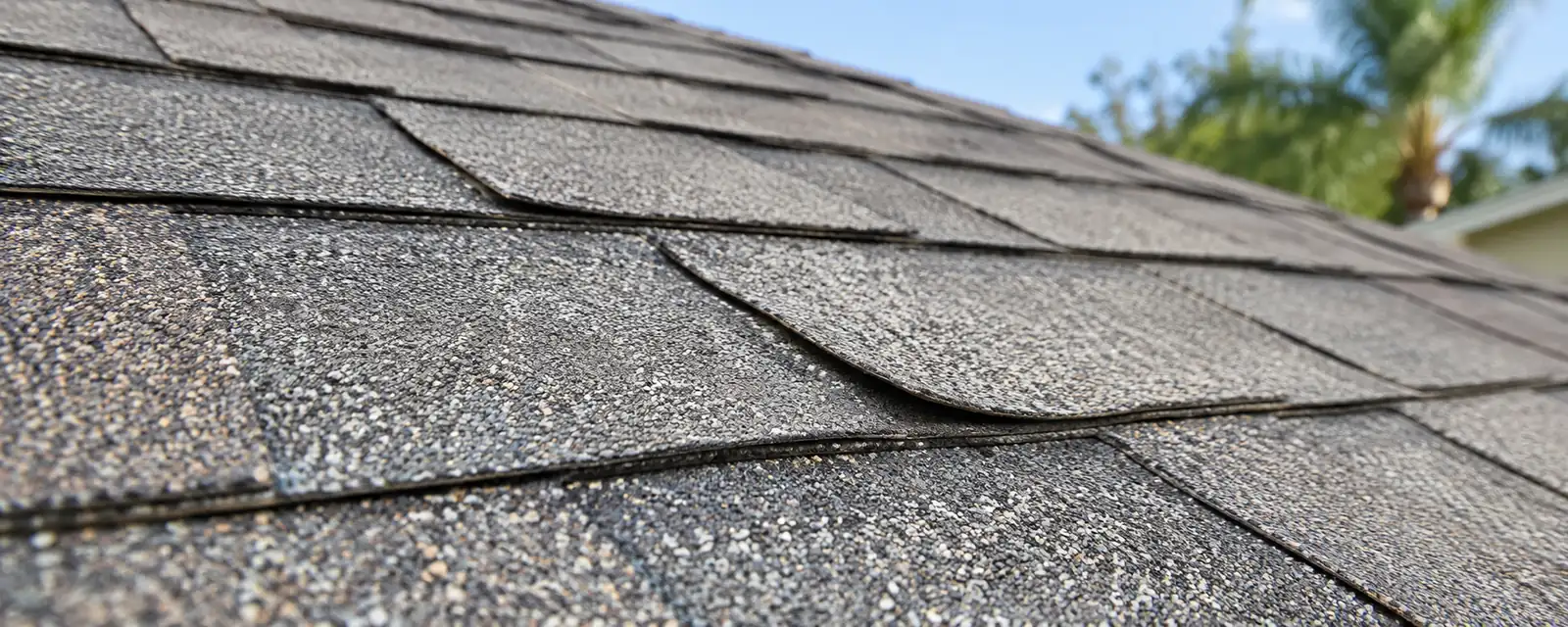
    • Shingle roofs get the closest look somewhere around 15 to 20 years.
    • Tile and metal roofs are given longer, often into the 25 to 30 year range.
    • Flat roofs are treated as the shortest-lived.

    More on the differences in How Your Roof Type Affects Insurance.

    How an older roof gets paid at claim time

    This is the part people miss. Getting a policy is one question. What the policy pays for the roof is another.

    • Full replacement cost. The policy pays to replace the damaged roof, minus your deductible.
    • A roof payment schedule. The policy pays a percentage of the replacement cost that shrinks as the roof ages. On an older shingle roof, that can be roughly half.
    • A separate roof deductible. Some policies apply a deductible to roof claims that’s a percentage of your dwelling coverage.

    The second and third options lower your premium and lower what you’d receive after a roof claim. Either can be the right trade, as long as you know you made it. Look for the words “roof surfacing payment schedule” or “roof deductible” on your policy, or ask me.

    Things that limit your options

    • A second layer of shingles installed over the first. Many companies won’t accept a roof-over.
    • A flat roof over living space. Some companies decline it, and others allow it only for a small part of the roof.
    • No paperwork for a replacement. Without a permit or a paid invoice, the roof may be rated at its old age.
    • Unrepaired damage. Insurance companies inspect, and existing damage is a reason to decline at any age.

    What helps

    What age does to the price

    Roof age and home age tend to travel together, and both show up in the price. These are averages from homeowners insurance quotes in the area over the past 36 months, shown as the yearly price for every $1,000 of dwelling coverage:

    Year the home was builtAverage price per $1,000 of coverageOn a $300,000 home, about
    Before 1980$19.50$5,850 a year
    1980 to 2001$15.80$4,740 a year
    2002 to 2014$10.40$3,120 a year
    2015 or newer$6.30$1,890 a year

    These are averages of past quotes, not an offer, and they reflect the whole home, not the roof alone. They do show why a new roof and good documentation are worth the effort.

    Thinking about replacing it?

    • Tell me before or right after. A new roof can open up companies that weren’t available before.
    • Make sure the contractor pulls a permit and closes it.
    • Keep the paid invoice.
    • Ask the roofer about the features a wind mitigation inspection looks for, and get a new inspection when the job is done.
    • Check whether the My Safe Florida Home program can help. It offers free wind mitigation inspections to eligible homeowners and grants toward approved improvements.

    Common questions

    Can an insurance company drop me because my roof is old?

    Not for age alone if the roof is under 15 years old. At 15 or older, an inspection showing at least five years of useful life left gives you the same protection under Florida law. Condition is a separate matter.

    Who pays for the roof inspection?

    The homeowner. The statute says the inspection is at the homeowner’s expense.

    Will a new roof lower my premium?

    It often helps, and it can make more companies available. I can’t promise a number until I quote it.

    Insurance companies don’t all follow the same rules or charge the same prices, and both change over time. Ask me what applies to you.

    Official sources

    Keep reading

    Related coverage: homeowners insurance and flood insurance.

    Not sure where you stand? Ask me.

    Request a quote or call me to review your options. You’ll talk to a real person.

  • Four-Point Inspections and Home Insurance

    Four-Point Inspections and Home Insurance

    Chris Chase, licensed Florida insurance broker

    Chris Chase
    Licensed Florida insurance broker · FL License #G193830 · NPN 21407586
    Last reviewed October 2026

    The short version

    • A four-point inspection looks at the roof, electrical, plumbing, and heating and air. The homeowner pays for it.
    • Companies commonly require one once a home is somewhere between 20 and 40 years old.
    • A problem on the report usually means a repair or a different company, not the end of the road.

    If your home has some years on it, an insurance company may ask for a four-point inspection before offering a policy. I’ll explain what it involves and how to read the result.

    In this article

    What it is

    The Florida Department of Financial Services describes the four-point inspection as one required for older homes, covering the roof (to determine its life expectancy), the plumbing, the electrical wiring, and the heating and air. A licensed inspector looks at the age and condition of each system and writes a report with photos.

    The Department also notes two practical points. The homeowner pays for it. And if a required inspection isn’t provided, the company can decline to offer coverage.

    When you’ll need one

    Each insurance company sets its own age trigger, and they’re far apart. Some ask at 20 years, some at 30, some at 40, and a few don’t require one at all. Some companies do their own inspection instead and will accept a recent pre-purchase home inspection in its place.

    I’ll tell you up front whether the companies I’m quoting will want one, so you don’t pay for an inspection you don’t need.

    Papers, keys and a phone rest together on a counter.

    Point one: the roof

    • Age, material, and condition
    • Estimated remaining useful life
    • Signs of leaks or damage
    • Whether there’s more than one layer

    Under Florida law, a roof 15 years or older can’t be refused for age alone if an inspection shows five or more years of useful life left. See Florida Home Insurance and Roof Age.

    Point two: electrical

    • The panel brand. A handful of older breaker panel brands are declined by most insurance companies.
    • The wiring type. Single-strand aluminum wiring is declined by some companies and accepted by others when it’s been repaired with approved connectors.
    • The service size. Some companies want at least 100 to 150 amps, and occasionally more on older homes.
    • Visible hazards.

    More in Electrical Panels, Wiring, and Home Insurance.

    Point three: plumbing

    • What the pipes are made of. Polybutylene limits your options a lot. Galvanized and cast iron raise similar questions.
    • The water heater’s age. Many companies get cautious around 15 years, sometimes a little later if the tank is in the garage.
    • Signs of leaks, active or past.

    More in Water Damage, Plumbing, and Older Homes.

    Point four: heating and air

    • The age and condition of the system
    • Whether it’s working
    • With some companies, a paid annual maintenance contract earns a small credit

    The other inspections you may hear about

    The Department of Financial Services describes four kinds, and it helps to know which is which:

    InspectionWhat it doesWho pays
    Underwriting inspectionA visual check of the property by the insurance company, usually exterior, looking at construction and hazards such as pools, trampolines, unrepaired damage, and dead tree limbsThe insurance company
    Four-point inspectionRoof, electrical, plumbing, and heating and air on an older homeThe homeowner
    Wind mitigation inspectionDocuments features that earn wind creditsUsually the homeowner
    Specialized inspectionA single item, commonly roof life expectancyThe homeowner

    A four-point is about condition. A wind mitigation inspection is about credits. Many inspectors do both in one visit, which is usually cheaper than two trips. See Wind Mitigation and Homeowners Insurance.

    If the inspection finds a problem

    A finding isn’t automatically a decline. What happens depends on the item and the company:

    • Some items have to be repaired before a company will offer coverage.
    • Some lead to a policy with a limit, such as reduced water damage coverage.
    • Some simply mean a different company is the better fit.

    Send me the report before you panic. I’ll go through it with you, explain how an insurer is likely to read each item, and check which companies will accept the home as it is.

    After a repair

    • Keep the permit and the paid invoice.
    • Ask the inspector to update the report or issue a new one showing the repair.
    • Send me the updated report so I can re-shop if it opens up more companies.

    Timing

    Insurance companies want a recent report. Some require the inspection to be done within a short window before the policy starts, in some cases as little as 10 days when the prior coverage was placed by a lender. If you’re buying a home, order the four-point and wind mitigation along with your home inspection during the inspection period, so a problem shows up while you can still negotiate. See Buying a Home in Florida: Your Insurance Timeline.

    What age does to the price

    Averages from homeowners insurance quotes in the area over the past 36 months, as the yearly price for every $1,000 of dwelling coverage:

    Year the home was builtAverage price per $1,000 of coverage
    Before 1980$19.50
    1980 to 2001$15.80
    2002 to 2014$10.40
    2015 or newer$6.30

    These are averages of past quotes, not an offer. They show why the systems in an older home get so much attention.

    What I do and don’t do

    I don’t perform inspections. I review the completed report with you and explain what it means for your insurance.

    Common questions

    Do I need a four-point inspection?

    It depends on the home’s age and the company. Common triggers are 20, 30, or 40 years. I’ll tell you before you order one.

    Who pays for it?

    The homeowner, according to the Florida Department of Financial Services.

    Can I use my home inspection instead?

    Some companies accept a recent pre-purchase home inspection in place of their own. Most that require a four-point want it on a four-point form.

    What fails a four-point?

    There’s no pass or fail on the form. Companies react to specific items: certain panel brands, certain wiring and pipe types, an old water heater, or a roof with little life left.

    Every insurance company has its own rules and prices, and they change. I’ll tell you what applies to the options I find for you.

    Official sources

    Keep reading

    Related coverage: homeowners insurance and flood insurance.

    Want me to look at your options?

    Call me or request a quote online. A real person will get back to you, not a bot.

  • Wind Mitigation and Homeowners Insurance

    Wind Mitigation and Homeowners Insurance

    Chris Chase, licensed Florida insurance broker

    Chris Chase
    Licensed Florida insurance broker · FL License #G193830 · NPN 21407586
    Last reviewed October 2026

    The short version

    • Florida law requires insurance companies to offer discounts for features that reduce wind damage.
    • A wind mitigation inspection documents those features on a standard state form. The form was revised effective April 1, 2026.
    • Some credits don’t need the form at all, such as roof shape from photos or a home built in 2002 or later.

    A wind mitigation inspection is one of the few pieces of paperwork that can work in your favor on a Florida home insurance quote.

    It doesn’t decide whether a company will insure you. It documents the features that help your home stand up to wind, and those features are tied to discounts on the wind portion of your premium.

    In this article

    What the law requires

    Florida Statute 627.0629 requires residential property insurance rates to include discounts, credits, or other rate differentials for features that reduce windstorm losses. The statute lists the categories:

    • Wind uplift prevention
    • Roof strength
    • Roof covering performance
    • Roof-to-wall strength
    • Wall-to-floor-to-foundation strength
    • Opening protection
    • Window, door, and skylight strength

    The same law requires each insurance company to describe its hurricane mitigation discounts on its website. So the discounts exist with every company. What differs is how much each one gives.

    What the inspection records

    A qualified inspector looks at the home and fills out the state’s Uniform Mitigation Verification Inspection Form, numbered OIR-B1-1802. In plain terms, it records:

    • Which building code the home was built under, based on the year built
    • The roof covering and when it was installed
    • How the roof deck is attached to the framing
    • How the roof is connected to the walls
    • The roof shape, hip or otherwise
    • Whether there’s a secondary water barrier under the roof covering
    • Protection on windows and doors, such as shutters or impact glass

    The inspector attaches photos. The report goes to your agent or insurance company, and the credits are applied from it.

    Palm fronds move in a gentle breeze beside a house corner.

    The 2026 form change

    The form was revised, and the new version, marked Rev. 04/26, took effect April 1, 2026. Inspections done on or after that date have to use the new form. According to a Citizens Property Insurance bulletin, the update changed the building code, roof covering, and attachment criteria, and added items such as FORTIFIED Home certificates and roof slope.

    Citizens has said it will keep accepting the earlier version if the inspection was completed within five years before April 1, 2026 and no structural changes have been made. Other insurance companies set their own rules, so if your report is older, ask before assuming it still counts.

    Credits you may not need the form for

    • Roof shape. Some companies will apply the hip roof credit from clear color photos showing the entire roof.
    • Year built. Homes built in 2002 or later were built under the newer statewide building code. With proof of the year built, some companies apply the minimum building code credit without an inspection.
    • Opening protection on newer coastal homes. Some companies apply this automatically for recently built homes in certain coastal counties.

    These are a floor, not a ceiling. If your home has more features than the automatic credits assume, the full inspection is how you get paid for them.

    Who pays for it

    The Florida Department of Financial Services says the homeowner typically pays for a wind mitigation inspection. If the insurance company orders a reinspection of its own, the company pays for that one.

    The My Safe Florida Home program offers free wind mitigation inspections to eligible Florida homeowners, and grant funding of up to $10,000 toward approved improvements. Eligibility, funding, and program rules come from the program itself, so check its site for where things stand.

    Is it worth getting one?

    Usually, if any of these are true:

    • You’ve replaced the roof since your last report
    • You’ve added shutters or impact windows and doors
    • Your report is several years old
    • You’ve never had one and your home was built or re-roofed after 2002
    • You’re buying a home and ordering inspections anyway

    If your home is older with its original roof attachment and no opening protection, the report may not earn much. It still documents what you have, and it’s the starting point if you plan improvements.

    How it shows up in the price

    I don’t quote a credit amount until I see the report, because the amount depends on the home and the company. What I can show is how much construction era matters overall. These are averages from homeowners insurance quotes in the area over the past 36 months, as the yearly price for every $1,000 of dwelling coverage:

    Year the home was builtAverage price per $1,000 of coverage
    Before 1980$19.50
    1980 to 2001$15.80
    2002 to 2014$10.40
    2015 or newer$6.30

    Newer homes cost far less to insure for the same coverage, and stronger wind construction is a large part of why. These are averages of past quotes, not an offer.

    Improvements that tend to matter

    The My Safe Florida Home program lists the kinds of upgrades it supports, which line up with what the inspection form records:

    • Roof deck attachment
    • Roof-to-wall connections
    • Secondary water barriers
    • Window and door replacement, including garage doors

    If you’re re-roofing, that’s the cheapest time to upgrade the first three. See How Your Roof Type Affects Insurance.

    Common questions

    Is a wind mitigation inspection required?

    Not usually. It’s how you document features that earn credits. Some credits can be applied without it.

    How long is a report good for?

    Each insurance company sets its own rule. Citizens accepts the earlier form version if the inspection was within five years before April 1, 2026 and nothing structural has changed.

    Do I need a new inspection after a new roof?

    Yes, if you want credit for it. The roof covering, deck attachment, and water barrier are all on the form.

    Rules, prices, and discounts differ from one insurance company to the next and change over time. I’ll tell you what applies to the options I find for you.

    Official sources

    Keep reading

    Related coverage: homeowners insurance and flood insurance.

    Want a second set of eyes on your policy?

    Tell me what you have now and I’ll compare it against the companies I work with. No pressure either way.

  • Does Homeowners Insurance Cover Flooding?

    Does Homeowners Insurance Cover Flooding?

    Chris Chase, licensed Florida insurance broker

    Chris Chase
    Licensed Florida insurance broker · FL License #G193830 · NPN 21407586
    Last reviewed October 2026

    The short version

    • Homeowners insurance doesn’t cover flood damage. That takes a separate flood policy.
    • A new National Flood Insurance Program policy normally takes 30 days to start, so buying one when a storm is coming doesn’t help.
    • The flood zone drives the price, and it is set address by address.

    This is one of the most common misunderstandings I see. Having homeowners insurance doesn’t mean every kind of water damage is covered.

    The Florida Department of Financial Services puts it plainly: flood isn’t covered under homeowners policies and requires a separate flood insurance policy.

    In this article

    What counts as a flood

    The Department of Financial Services describes the typical definition of flood as an overflow of inland or tidal waters, runoff of surface water from any source, or mudflow. In everyday terms, it’s water that rises from outside and comes in: storm surge, a river or canal over its banks, or heavy rain that pools and enters the house.

    Water damage versus flood

    • Water damage from something sudden inside the home, like a burst pipe, is the kind of loss a homeowners policy can cover, subject to its terms. On older homes that coverage is often limited. See Water Damage, Plumbing, and Older Homes.
    • Flood is rising water from outside. That’s what a flood policy is for.
    • Sewer or drain backup is its own category. The Department notes that some policies exclude it unless you add it by endorsement.
    • Rain coming in during a hurricane after wind opens up the building is part of hurricane coverage under Florida law, not flood.

    When a storm causes both wind damage and flooding, two different policies can be involved, each with its own deductible and its own adjuster.

    Calm canal water borders a seawall and a small wooden dock.

    What your policy already tells you

    Florida law requires homeowners policies to carry a prominent notice on the declarations page about flood insurance. If you’ve never read yours, it’s worth a look. It’s the state’s way of making sure nobody assumes flood is included.

    How a flood policy works

    Most flood insurance is written through the National Flood Insurance Program (NFIP). According to FloodSmart, the program’s official site:

    • NFIP policies are sold through participating insurance companies and independent agents. The price is the same whichever one you use.
    • A homeowner can buy up to $250,000 of building coverage and up to $100,000 of contents coverage.
    • A renter can buy up to $100,000 of contents coverage.
    • Building and contents are separate coverages. You can have one without the other.

    There’s also a private flood market. Private policies can offer different limits and terms. Availability depends on the property and on current markets, so I check both and tell you what I find.

    The 30-day wait

    FloodSmart says a new NFIP policy takes effect 30 days after you buy it. There are a few exceptions:

    • No wait when you buy the policy in connection with a mortgage.
    • No wait when you’re changing coverage at renewal.
    • A one-day wait when your property has been newly mapped into a high-risk zone, if you buy within 12 months.
    • A one-day wait for flooding related to a recent wildfire.

    For most people, that means flood insurance has to be in place a month before it’s needed. In Florida, that’s before hurricane season, not when a storm has a name.

    Who should think about flood insurance

    In Florida, just about everyone. Two situations make it more than a suggestion:

    • Your lender requires it. If it does, your lender will tell you, and it will be a condition of the loan.
    • Your home insurance company requires it. Some companies require proof of a flood policy for homes in certain flood zones or close to the coast. Citizens Property Insurance requires it for many of its policyholders.

    Outside those cases it’s your choice, and a home outside a high-risk zone is usually far cheaper to cover.

    A small bonus

    Some home insurance companies give a discount on the homeowners policy when you also carry a flood policy. It’s worth asking about. See Home Insurance Discounts and Credits Worth Asking About.

    What to have ready for a flood quote

    • The property address
    • The year built and the type of foundation
    • The flood zone, if you know it
    • An elevation certificate, if you have one
    • Your mortgage company’s requirements, if any
    • Whether you want building coverage, contents coverage, or both

    How I help

    I can write flood insurance and explain how it fits with your homeowners policy. I’ll check the NFIP and the private options available for your property, lay out the limits and deductibles side by side, and help you time the purchase around the waiting period.

    Common questions

    Does homeowners insurance cover hurricane flooding?

    No. Wind damage from a hurricane falls under the homeowners policy and its hurricane deductible. Rising water falls under a flood policy.

    Can I buy flood insurance right before a storm?

    A new NFIP policy normally takes 30 days to start, so it won’t cover a storm that’s already on the way.

    Do I need flood insurance if I’m not in a flood zone?

    It may not be required, but homes outside high-risk zones flood too, and coverage there usually costs much less.

    Does flood insurance cover my belongings?

    Only if you buy contents coverage. Building and contents are separate.

    Is the price different depending on who I buy it from?

    For an NFIP policy, no. FloodSmart says pricing is the same across companies and agents. Private flood policies are priced by each company.

    Flood rules, zones, and prices change. Check the official sources below for current rules, and call me for a quote on your address.

    Official sources

    Keep reading

    Related coverage: flood insurance and homeowners insurance.

    Ready to see what’s out there?

    Request a quote or call me to review your options. You’ll talk to a real person.

  • Why Is My Hurricane Deductible So High?

    Why Is My Hurricane Deductible So High?

    Chris Chase, licensed Florida insurance broker

    Chris Chase
    Licensed Florida insurance broker · FL License #G193830 · NPN 21407586
    Last reviewed October 2026

    The short version

    • A hurricane deductible is usually a percentage of your dwelling coverage, not a flat amount. Two percent of $300,000 is $6,000.
    • Under Florida law it applies once per calendar year, and it can only be changed at renewal.
    • File the claim even if the damage is less than the deductible. It counts toward the deductible if a second storm hits.

    Most people know their regular deductible. Fewer realize there’s a separate one for hurricanes, and that it’s usually a lot bigger.

    Florida law is specific about how it works, which means you can know your exact number before a storm instead of after.

    In this article

    It’s a percentage, not a flat amount

    Your regular deductible, often called the all-other-perils deductible, is typically a flat dollar amount. A hurricane deductible is usually a percentage of your dwelling coverage.

    Dwelling coverage2% deductible5% deductible10% deductible
    $200,000$4,000$10,000$20,000
    $300,000$6,000$15,000$30,000
    $400,000$8,000$20,000$40,000
    $500,000$10,000$25,000$50,000

    That table is arithmetic, not a quote. Your policy shows your own percentage and dwelling amount, and the Florida Department of Financial Services notes the deductible has to appear as a dollar amount on your policy documents even when it’s set as a percentage.

    The options Florida requires

    Under Florida Statute 627.701, insurance companies have to offer hurricane deductibles of $500, 2%, 5%, and 10% of the dwelling limit. On homes insured for $250,000 or more, the company doesn’t have to offer the $500 option. In area quotes over the past 36 months, 2% was by far the most common choice.

    The same law requires a notice on your policy in large bold type: “This policy contains a separate deductible for hurricane losses, which may result in high out-of-pocket expenses to you.”

    Palm fronds move in a gentle breeze beside a house corner.

    When it applies

    Florida defines this precisely. Hurricane coverage is coverage for damage caused by windstorm during a hurricane, and a hurricane, for insurance purposes:

    • begins when a hurricane warning is issued for any part of Florida by the National Hurricane Center, and
    • ends 72 hours after the last hurricane watch or warning for any part of Florida is terminated.

    Wind damage during that window falls under the hurricane deductible. Wind damage from a tropical storm that never becomes a hurricane, or any other claim like a kitchen fire, falls under your regular deductible.

    Interior damage from rain counts as hurricane damage when the wind first opens up the building. Rising water is flood, which is a separate policy. See Does Homeowners Insurance Cover Flooding?

    It applies once a year

    The statute says the hurricane deductible applies on an annual basis to all covered hurricane losses in a calendar year, as long as you stay with the same insurance company or group. You don’t pay a full new deductible for every storm.

    The Department of Financial Services explains what happens with a second hurricane in the same year. The deductible on that claim is the greater of:

    • whatever remains of your hurricane deductible after the first storm, or
    • your regular all-other-perils deductible.

    Once the hurricane deductible has been fully met for the year, later hurricane claims that year use the regular deductible.

    Why you should file even a small claim

    This follows from the once-a-year rule. The Department of Financial Services recommends always filing a claim even when the repair cost is less than your hurricane deductible. Nothing is paid on that claim, but it documents the loss and counts toward the deductible if a second hurricane causes more damage the same year. Keep photos and receipts.

    Can I change it?

    Only at renewal. Florida law says a policyholder can change the hurricane deductible as of the renewal date, not in the middle of a term.

    A lower deductible means a higher premium, and the other way around. I can show you the trade in actual dollars for the options your company offers. A few things to know:

    • Some companies require a higher hurricane deductible for homes very close to the coast.
    • A deductible that shrinks each claim-free year, where a company offers one, usually applies to the regular deductible and not the hurricane deductible.

    Things the hurricane deductible doesn’t cover

    • Flooding. Separate policy, separate deductible.
    • Screen enclosures and pool cages. These are often not covered for hurricane damage unless you add coverage, usually up to a set limit.
    • The roof, on some policies. A roof payment schedule or a separate roof deductible changes what’s paid. See Florida Home Insurance and Roof Age.

    Can I buy coverage when a storm is coming?

    Don’t count on it. Insurance companies generally stop writing new policies and making coverage changes when a watch or warning is issued, sometimes for any part of Florida. Sort out your coverage well before storm season.

    If your policy happens to be ending during a hurricane, the Department of Financial Services notes that the insurance company has to extend coverage until the hurricane is over.

    Common questions

    Does the hurricane deductible apply to tropical storms?

    It applies to windstorm damage during a hurricane as Florida law defines it, starting when a hurricane warning is issued for any part of Florida. Damage from a storm that isn’t a declared hurricane falls under your regular deductible.

    Do I pay the hurricane deductible twice if two hurricanes hit?

    No. It applies once per calendar year with the same company. A second claim uses whatever is left of it, or your regular deductible if that’s greater.

    Should I file a claim if the damage is under my deductible?

    The Department of Financial Services recommends it, so the loss counts toward your deductible if there’s a second storm.

    Insurance companies don’t all follow the same rules or charge the same prices, and both change over time. Ask me what applies to you.

    Official sources

    Keep reading

    Related coverage: homeowners insurance and flood insurance.

    Not sure where you stand? Ask me.

    Tell me what you have now and I’ll compare it against the companies I work with. No pressure either way.